I described the dog attack on our flock of egg-laying hens in this previous post.
I am so sorry for your loss. Please accept my deepest condolences.
Here are the actions we took in the aftermath of the dog attack. This applies to Hawaii County. Your jurisdiction may be different. Now is a good time to find out about what the rules and regulations are regarding stray dogs killing livestock in your area.
I hope this helps you if you are in a similar situation. A big thank you to all our friends and family who supported us.
Thursday afternoon of the attack, Ben took photos of the dead hens. He called the Hawaii Island Humane Society, (Kamuela office 808-885-4558). A Humane Society officer came to our house on Friday morning to talk to us about the stray dog incident and actions we can take..
The takeaway: keep a digital camera on you at all times to snap photos of the stray dog off the owner’s property. If the stray dog is in your yard, on the road; take a photo. This is proof that the dog owner failed to confine or contain the animal properly.
| What can I do about Loose Dogs in my Neighborhood | If you are able to safely contain them with no possible injury to yourself, either on a leash, in your yard, kennel etc. We will gladly come pick them up within 24 hours or you may bring the animal in. We also rent out humane dog traps for a $75.00 deposit.If the animal is a repeat offender, take a photo of the animal and send it to kona.aco@hihs.org or bring it in to any shelter to have an officer talk to the owner. ALL COMPLAINTS ARE ANONYMOUS. |
He went to the owner of the dangerous dog to issue a warning. In this case, we wanted to remain anonymous.
After the Humane Society Animal Officer left, I called my local police department (808-775-7533) to file a property damage report. This is a case of dangerous dog killing livestock. My livestock are egg-laying hens.
After the police officer took digital photos of the crime scene (Ben buried the hens), statements from me, Ben and my father-in-law, he gave me the report number and his contact information. Ben assessed the cost of our egg-laying hens at $50 each, or $150 for a total of three dead hens.
We decided not to press charges this time. [You will need to sign paperwork if you are not pressing charges.] Remember to request a copy of the report from the police department for your records. The report will usually take 2-3 weeks to be available for pickup.
However, the next time a dangerous dog kills one of my hens, I will pursue the matter as civil suit, demanding monetary damages.
Hawaii County Code, Chapter 4, on Animals:
http://www.co.hawaii.hi.us/countycode/chapter04.pdf
Section 4-28. Dangerous dogs may be slain.
(b) Notwithstanding any provision to the contrary which may be found elsewhere in this chapter, where livestock have been killed, maimed or injured by any dangerous, fierce or vicious stray dog, the owner of such livestock or the owner’s agent, after being deputized as a special officer in accordance with the provisions of section 4-5, may take any action necessary to protect the owner’s livestock from such dangerous, fierce, or vicious dog, including, without limitation, slaying or otherwise disposing of the same.
(1980, Ord. No. 510, sec. 2.)
I read the Backyard Chickens “Predator and Pest” forum. I found it very helpful reading through chicken owner’s experiences with predator attacks and various actions they took:
http://www.backyardchickens.com/forum/viewforum.php?id=13
Summary: Immediately after a dog attack, write down the color, breed and description of the dog(s). Note the time and date of the attack. Note the direction where the dog left your property. Do this when the incident is still fresh in your mind.
It’s a good idea to chat with your friendly neighbors and find out if they have seen stray dogs on their property. Let them know you are documenting the stray dog incidents by taking digital photos of the stray dog.
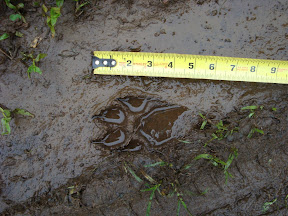
Take lots of high-quality photos of the crime scene with your digital camera. Take close-up photos also. If you find dog prints in the mud, document those.
Call your local Humane Society to complain about the stray dog. File a property damage with the local police, especially if the stray dog killed your livestock.