Flowering Yacon

Yacon (see previous post Yacon) is supposed to grow for a year, then flower and die back, ready for harvest. Well, ours are flowering, but show no signs of dying back, they are as huge and healthy as ever. As a cousin of the sunflower, i expected the flower to look similar, and it does. Here’s a picture, and a closeup.

First successful cuttings!

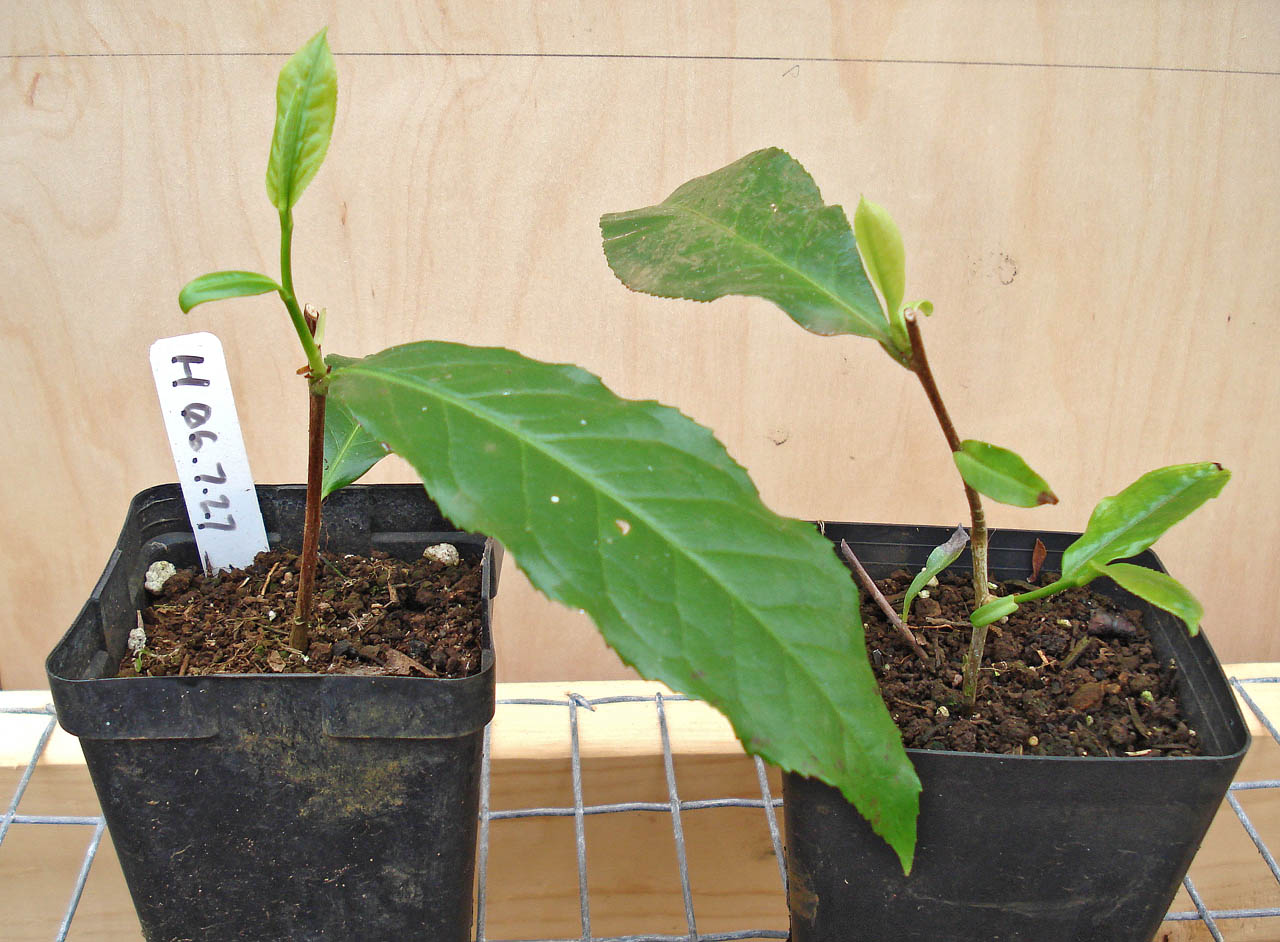
Here they are. I know it may not look like much, but this is the very first time that cuttings i’ve made have unmistakably rooted and grown new leaves:

These two are from the batch of 30 cuttings i gathered in July from an old abandoned Japanese homestead nearby. The source plants were spindly, up to 3-4m tall, growing very slowly in the shade of cathedral-sized bamboo canopy. I’m guessing that these tea plants were planted long ago (perhaps early 20th century) by first-generation Japanese, so they might in fact be a ‘good’ cultivar. At the very least, theyve proven themselves to survive decades of neglect in our soil and climate here.

Of the 433 cuttings i have made so far from 4 different sources, around 80% are still going (meaning, they have not yet turned brown and died, nor have they put out new leaves.) The bulk of these cuttings are from ‘unknown’ plants, so they would not interest the tea purist, but perhaps some day (years from now..) they will turn out great.

Yacon!

Recently i’ve discovered a fascinating crop to try growing here. Yacon (prononuced yah-kohn) is a South American tuber, a “lost food” of the Incas. It’s a relative of the sunflower, grows to 2m tall, almost completely pest- and disease-free. Yacon produces a bunch of delicious roots which look something like a yam but you can eat them raw, and they taste like a crisp, mildly sweet pear or apple. The sweetness comes from fructo-oligosaccharides so although it’s tasty, it has no calories. Here are some good links about yacon: the Wikipedia page, an article on the Seeds of Change newsletter, on Plants For A Future and Mother Earth News article about the Yummy Yacon.

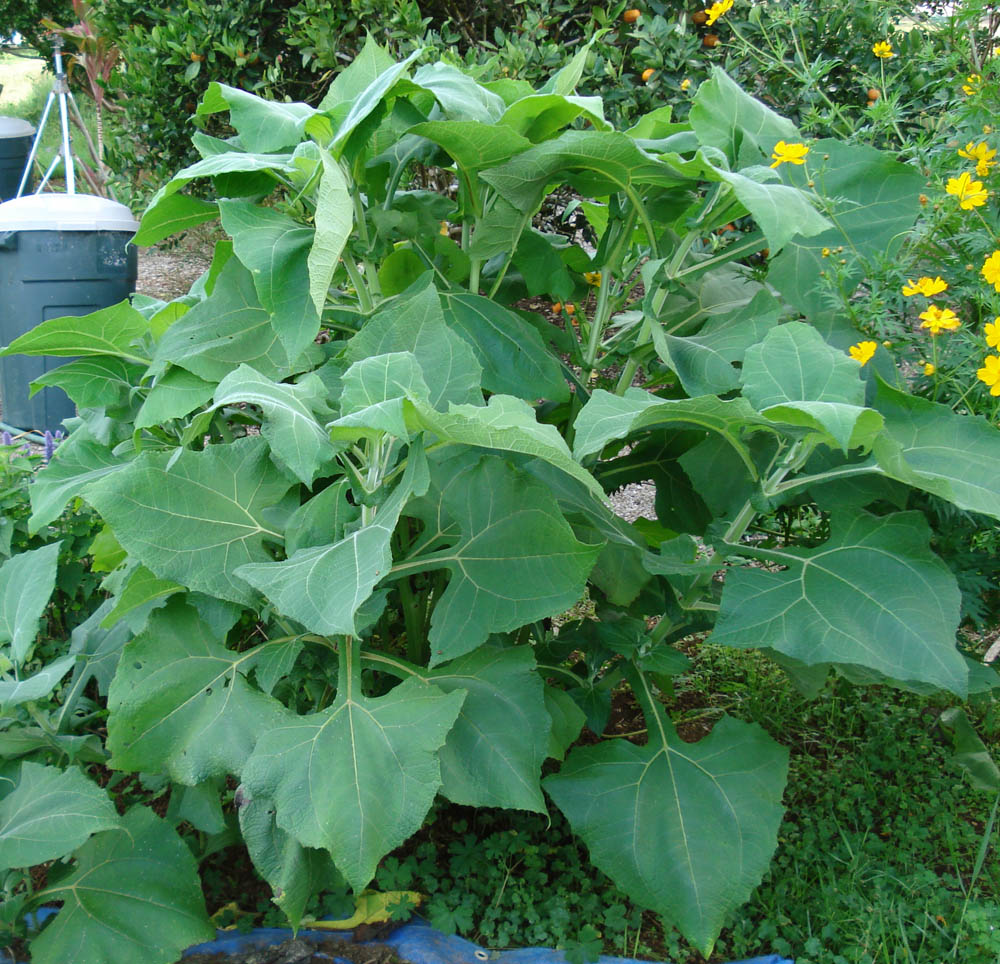
A few weeks ago our friend Liza and Josh gave us a couple yacon plants in pots. I planted them in the ground at the edge of the garden and they almost immediately grew into big, happy plants, as tall as a person:

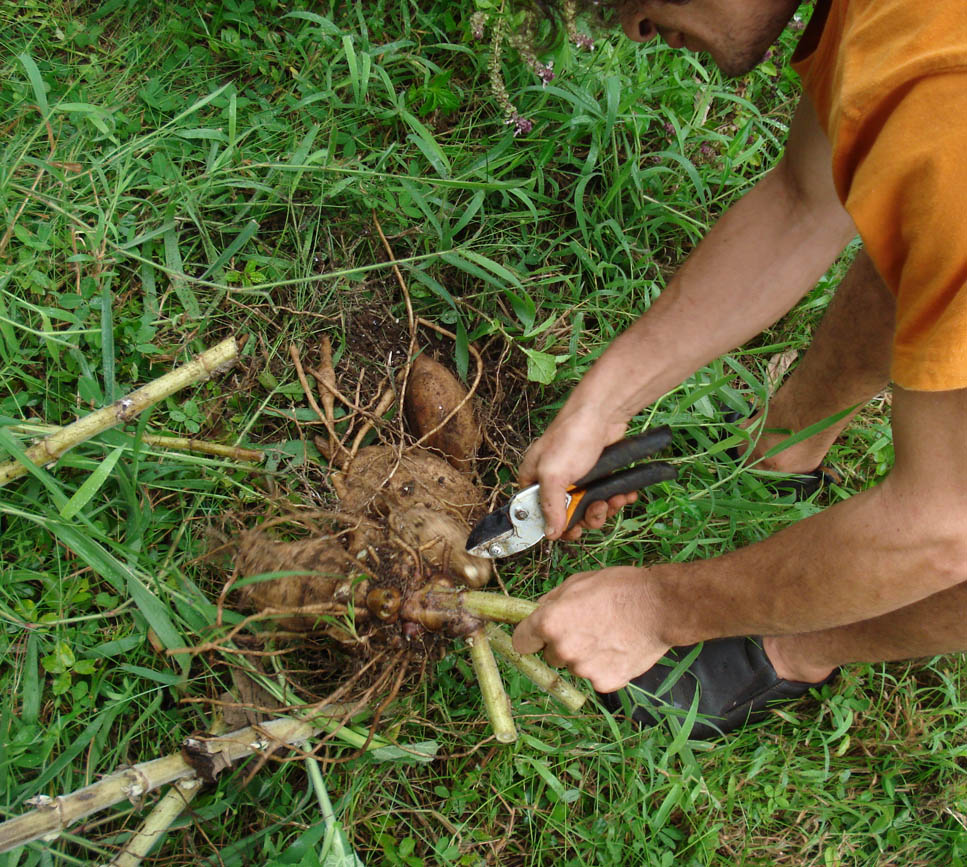
Yesterday, on the way back from picking up our Organic Chicken Feed in Laupahoehoe, i stopped by Liza and Josh’s place, and Josh harvested several yacon plants to give me the root-buds for propagating. (Curled around around one of the tubers was a huge scary centipede, another reason i’m happy we live up at a high elevation, where centipedes don’t like it!) Here are pictures of the harvest, the root-buds, and the result: 20 pots of yacon starts:

Fava Beans – no luck

We’re trying to find any alternative to importing chicken feed from the mainland. Mainly, i’m trying to find anything i can grow here in Ahualoa that can be fed to chickens!
Besides sunflowers, my other experimental crop this year was fava beans. I had found some online reference saying that in some places, they are grown as chicken feed. And, supposedly, the climate here (wet, and never gets too hot) would be OK. So, back on May 25, i planted a 9m row of favas along the edge of the lower garden. On June 10, i planted a second row of 5m along the upper garden.

They didn’t do too well 🙁 They grew slowly, got blown over often by the wind, were attacked repeatedly by aphids, and often died back (then shot up new shoots from their base). Here’s a picture of the lower row, today, and a closeup of the healthiest plants:
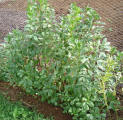
Even at 3 months old, they are not showing any signs of producing beans. They appear to be using their energy just to stay alive. The tallest are barely 3′ high. The row in the upper garden did even worse:
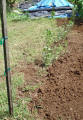
Today i sadly put the upper row out of its misery by pulling it up for compost.

Considering that we grow all sorts of other vegetables here very well (chard, kale, cabbages, lettuce, string beans, soybeans, corn, carrots, beets, much more) there must be something about the fava beans that just wasn’t happy. Alas.
Lawn, right or wrong

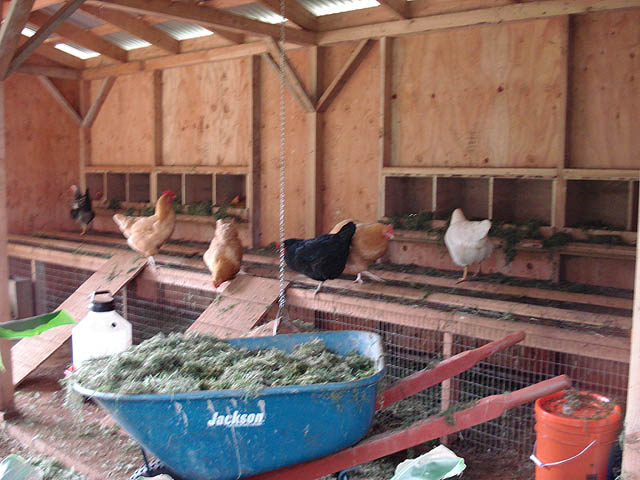
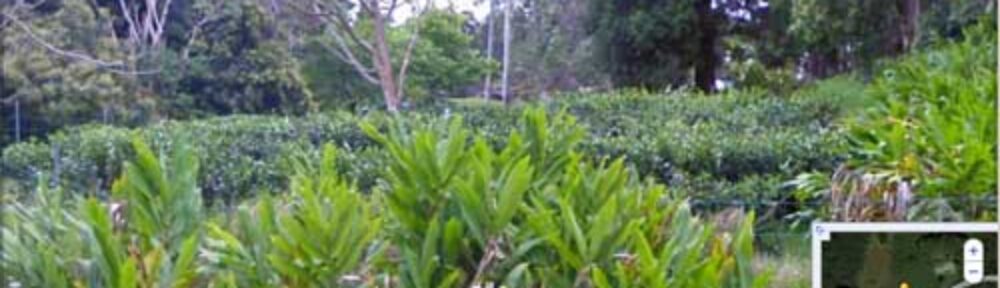
Recently i mowed the lawn and gathered the cut grass. Cut grass is useful, both as bedding that makes the chicken coop smell nice, and as a green matter input to the compost pipeline. This makes for happy chickens and nice organic compost for our eventual tea plantation:


Now, there are many people that say a lawn is a terrible thing, and they’re mostly right. A quick web search turns up “green lawns have to be maintained through use of chemicals that can pollute the groundwater and kill beneficial plants and insects; Americans spent $17.4 billion a year on their lawns; it the largest irrigated crop in the United States, consuming 50-70 percent of U.S. residential water…” You get the idea.

Well, those folks aren’t talking about the Wet Side of the Island of Hawaii! Here, lawn is not a foolish waste of environmental resources. It is a defense tactic against the ever-incroaching wall of Kikuyu grass (brought to Hawaii from Africa by cattle ranchers), which rapidly grows to several feet high, making land impassible and unusable. A lawn here consumes no chemicals and no water. However, mowing it provides a very large quantity of useful cut grass.

Sunflowers – not very successful

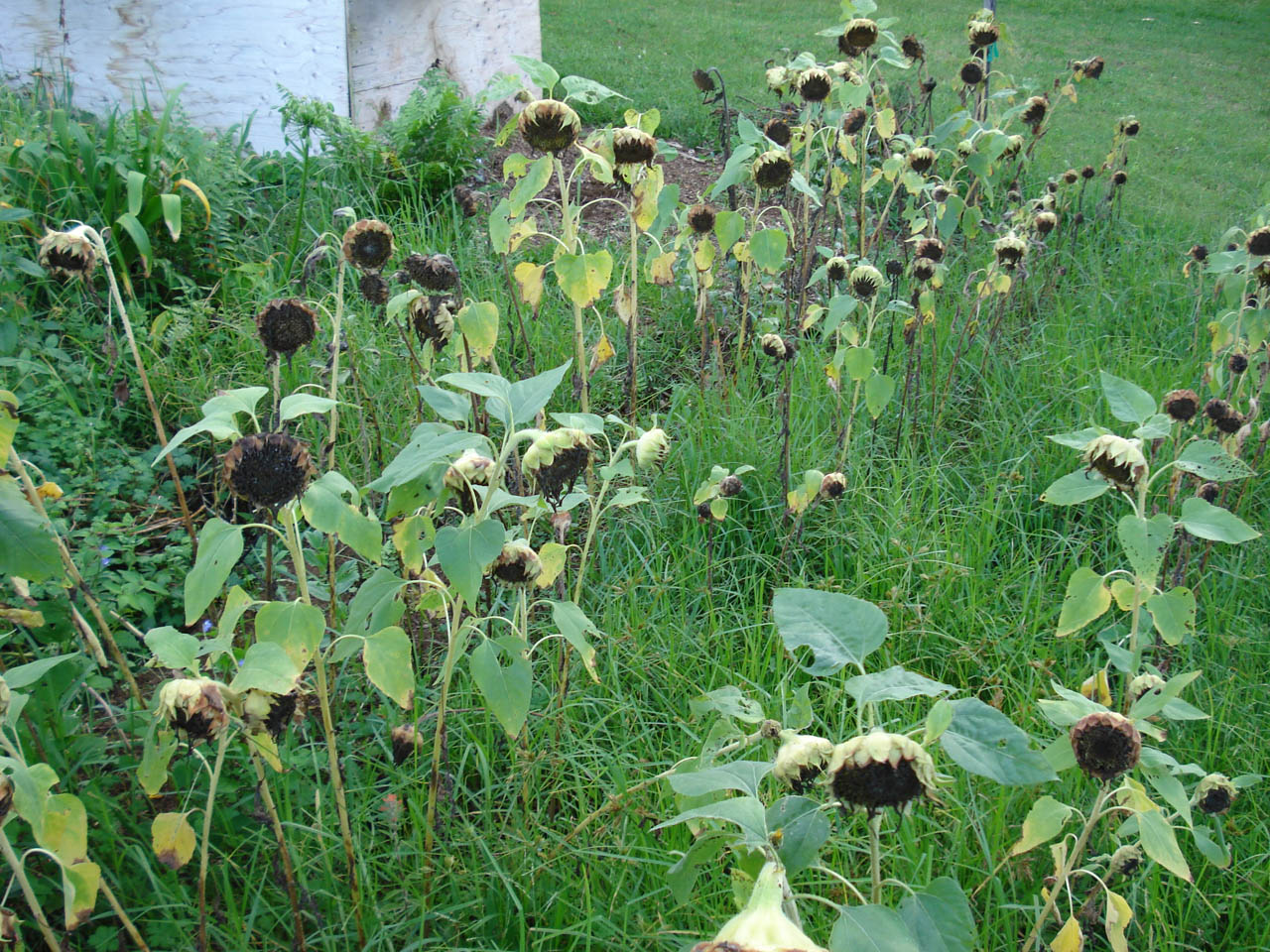
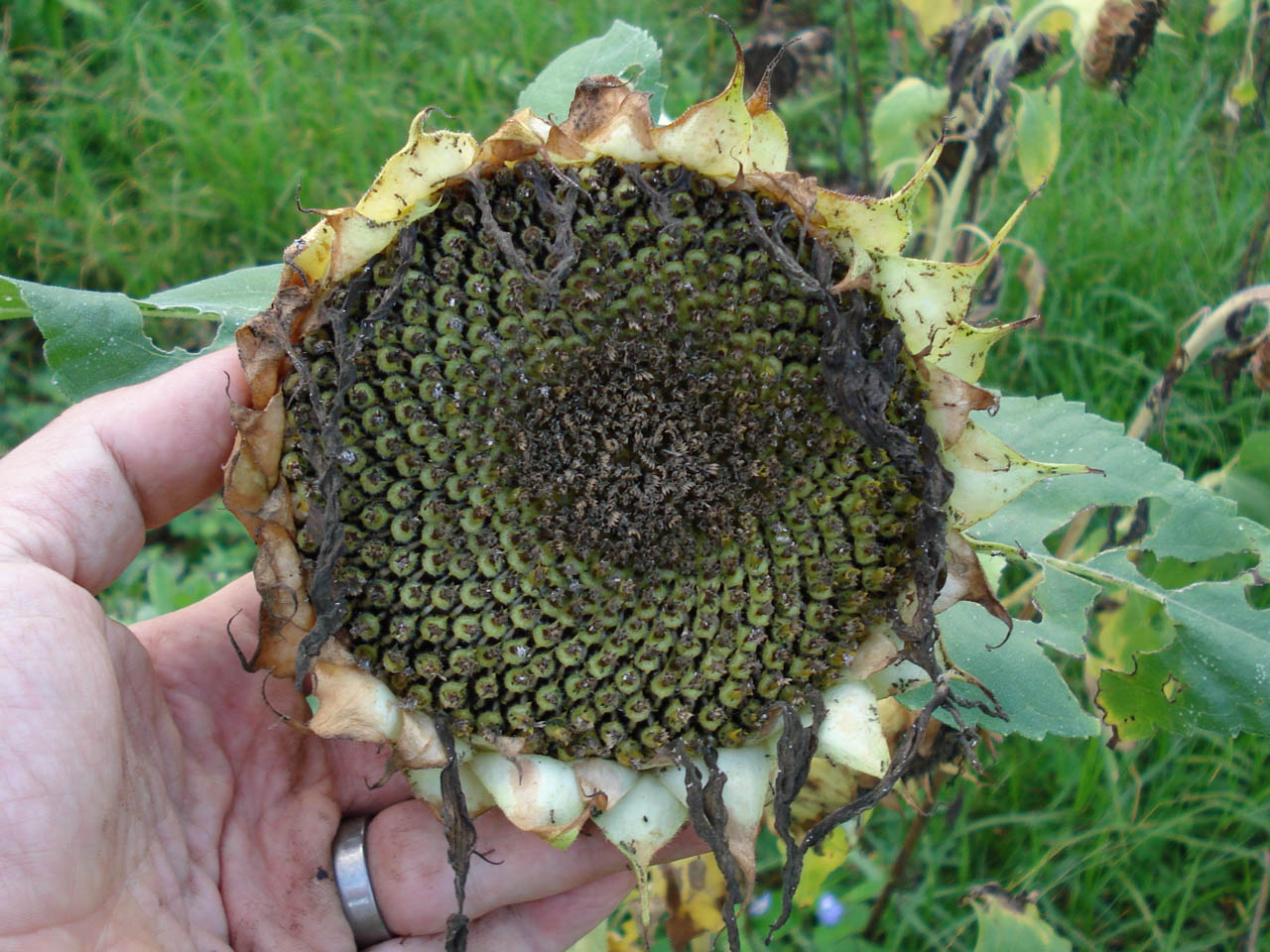
One of the ideas i wanted to try out for feeding our chickens was sunflower seeds. People told me they are very easy to grow. So, back on June 16, i planted 15m of sunflowers (3 rows of 5m each). I dug troughs in the ground, filled them with compost, put plenty of soaked sunflower seeds in the ground, then thinned them as they grew. They grew up quickly, made beautiful flowers, then at 3 months of age, they drooped and turned dark. Finally yesterday i gathered the heads. The biggest one (below) wasn’t too big.

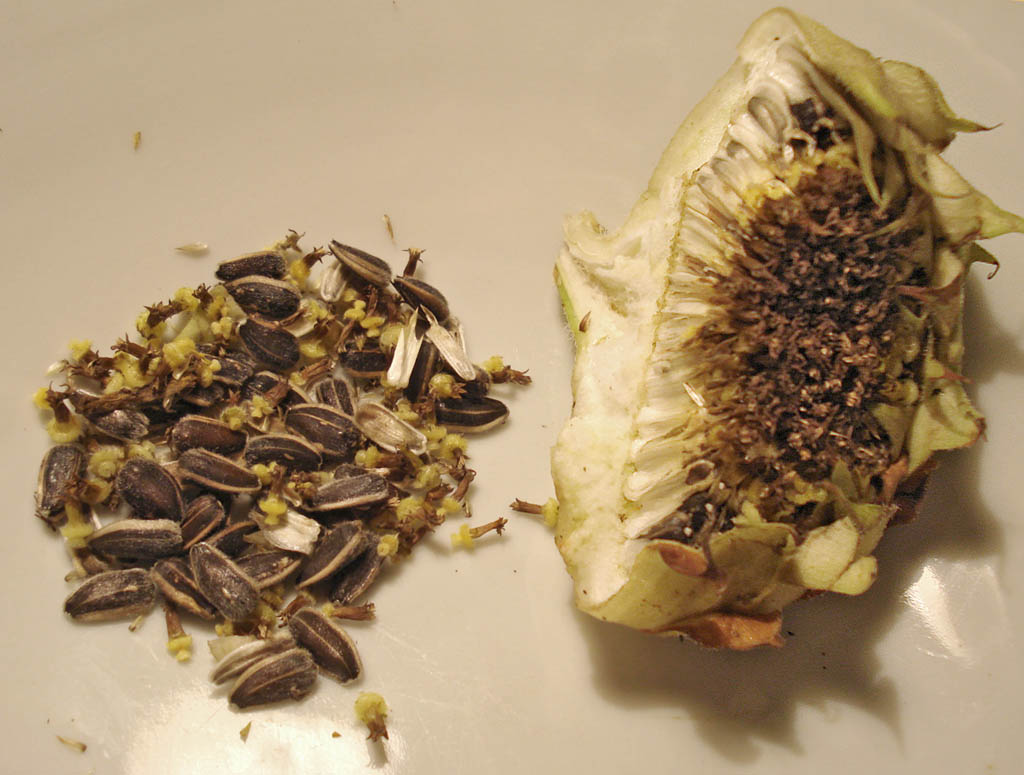
Most of the heads are small and immature. Trying to get seeds out of them, there are only a few usable seeds at the outer edge:

I suspect that my batch of sunflowers will barely produce enough seeds to replant the same rows. (Online resources say that i must wait until the heads are completely dried out before collecting the seeds. Otherwise, they are hard to remove. So, i won’t know how many seeds i got until later.)

This was not too successful as a way to grow chicken feed. If i tried it again, perhaps i could:

  • Use different seeds? These were just random seeds bought as food.
  • Plant earlier? Perhaps they will like April and May better.
  • More fertilizer? The roots seem shallow and i did give them some rich compost, but i could try more.