More tea planting

I got some great advice from experienced tea growers on the tea pests and diseases i wrote about before. To summarize, they said that if young tea plants are in a greenhouse, they are likely to have more pest problems. So, we’re now trying to get them out into the ground as soon as possible.

It’s been slow going. Choosing the plants, mixing the fertilizers, lugging it all out to the planting site with tools and compost, digging and weeding and more digging, blending the soil, measuring out the planting spots, spreading mulch around, dragging long hoses for watering, putting everything away. It’s a surprising amount of work!

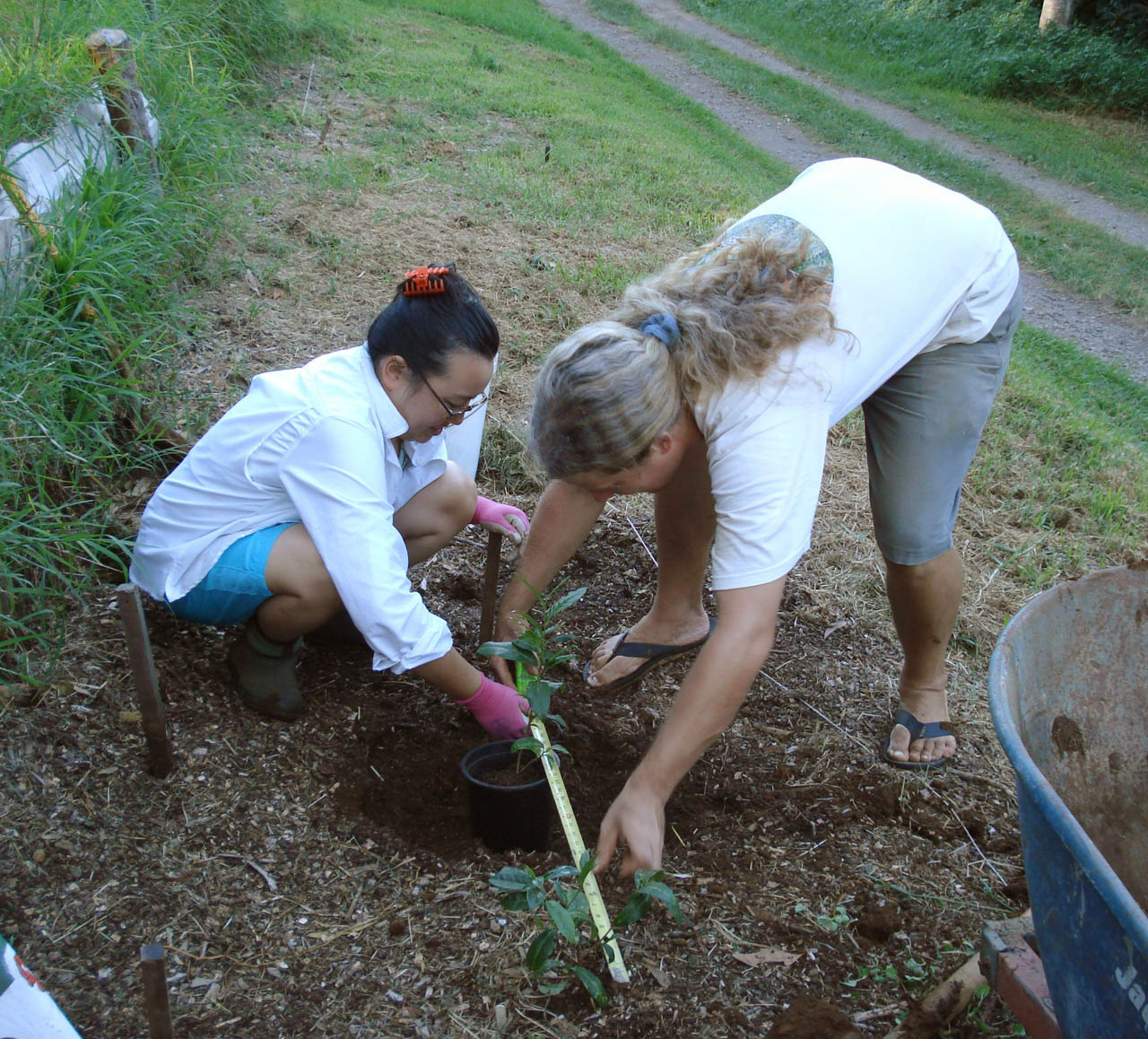
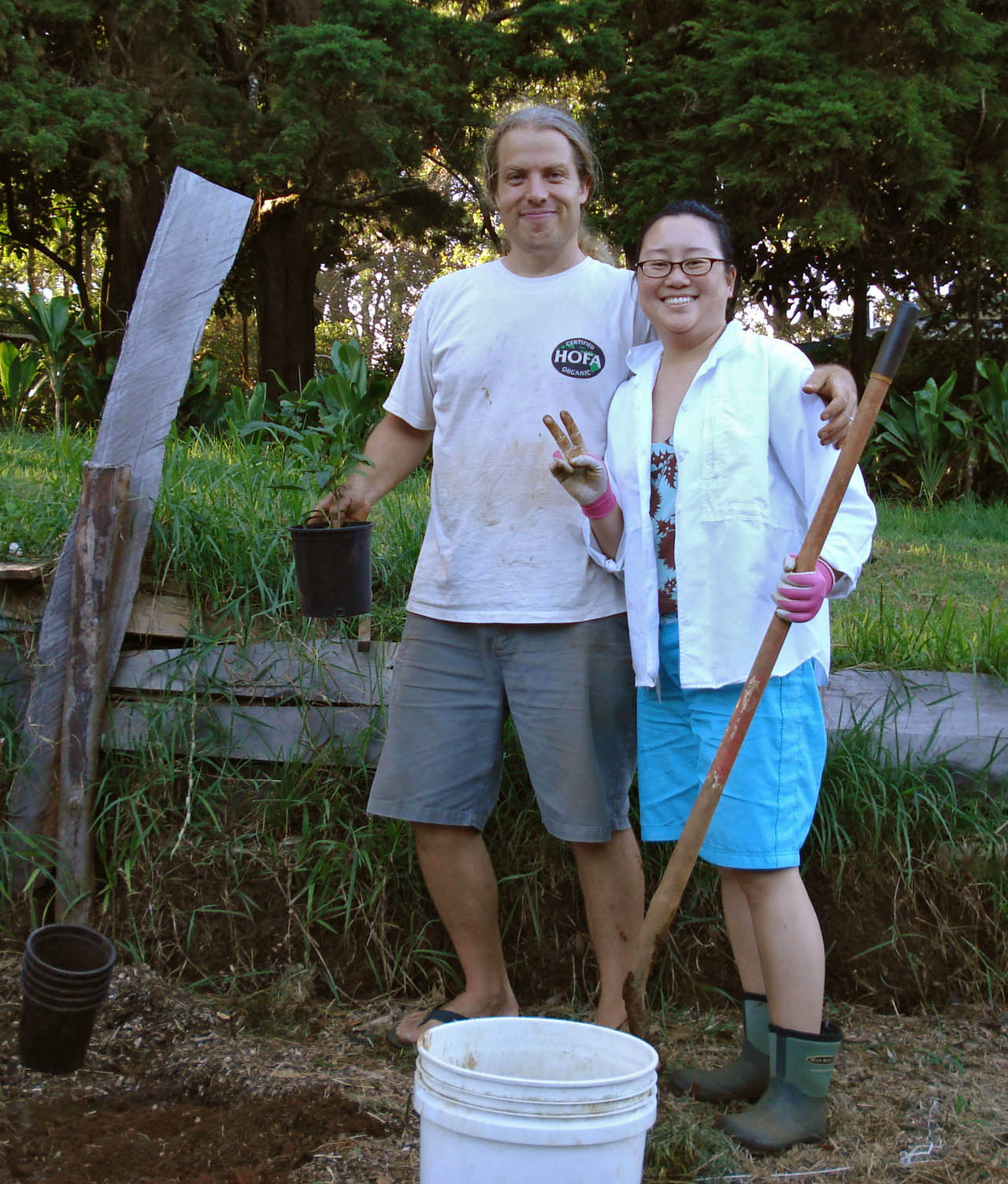
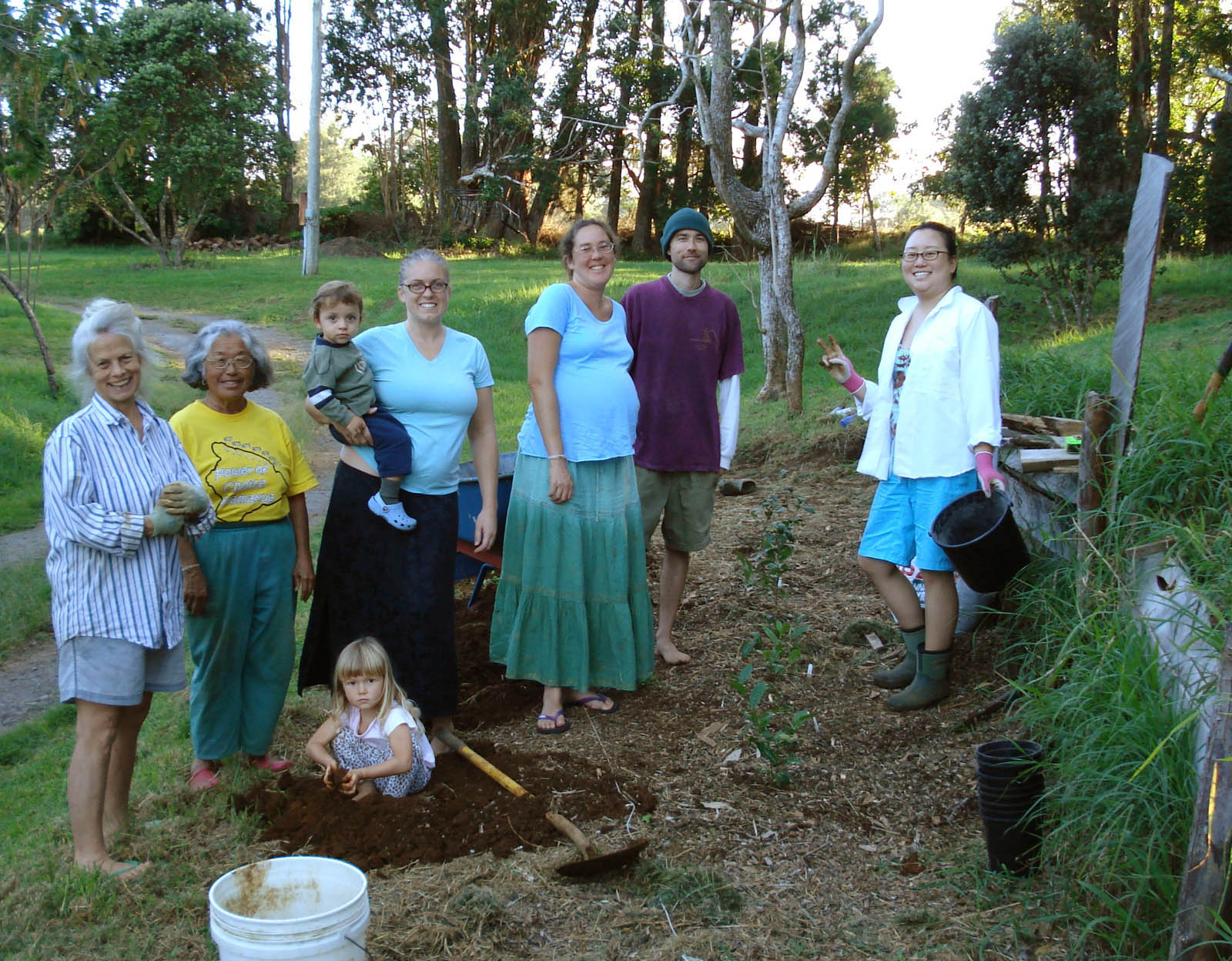
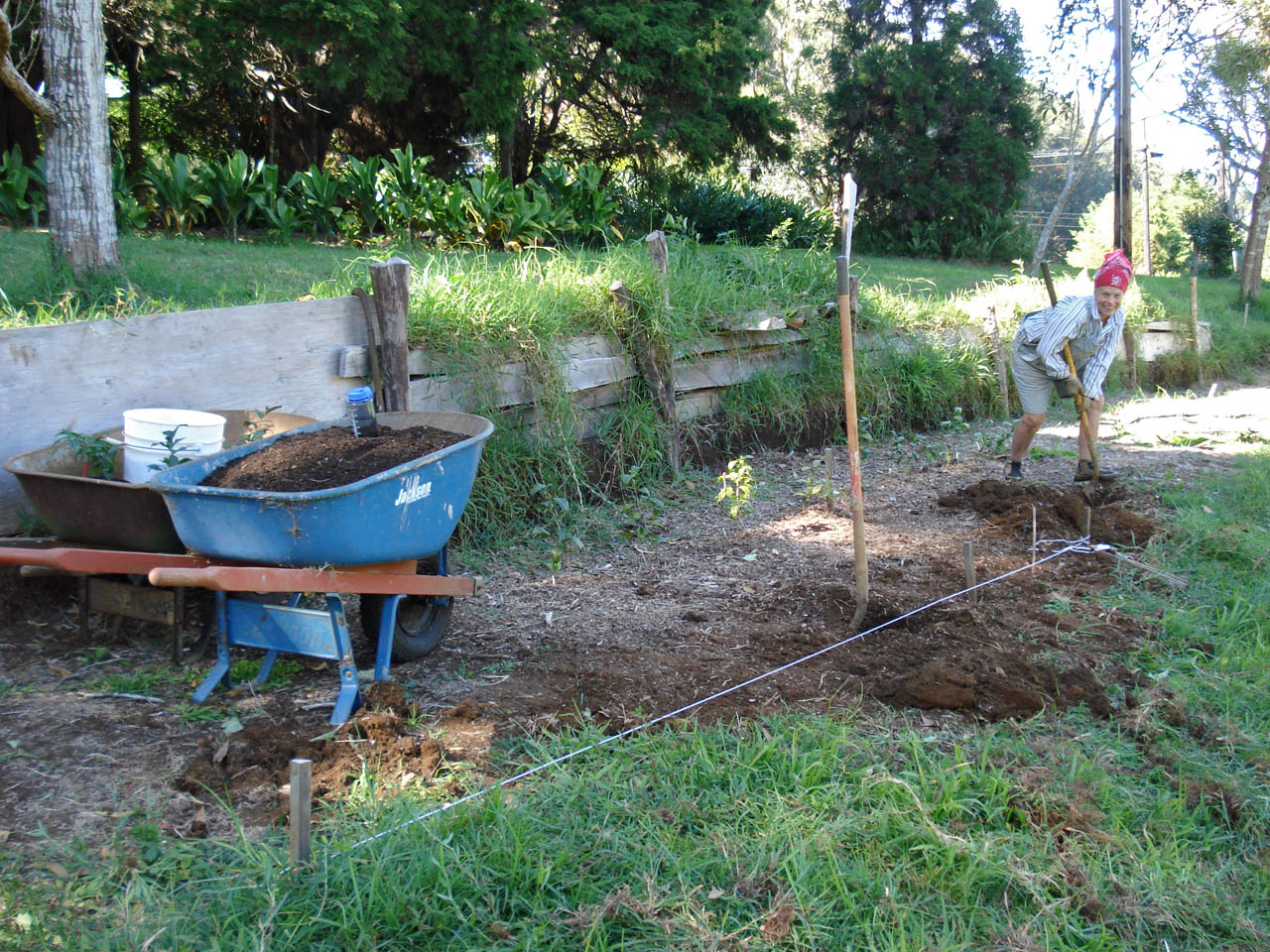
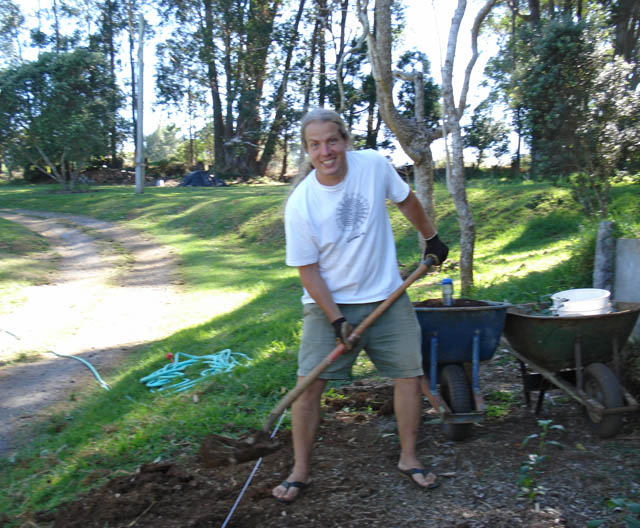
After an afternoon and full day, there are now 32 plants in the ground, 22 Bohea and 10 Yabukita. Pictures from the planting:
Tea pests and diseases

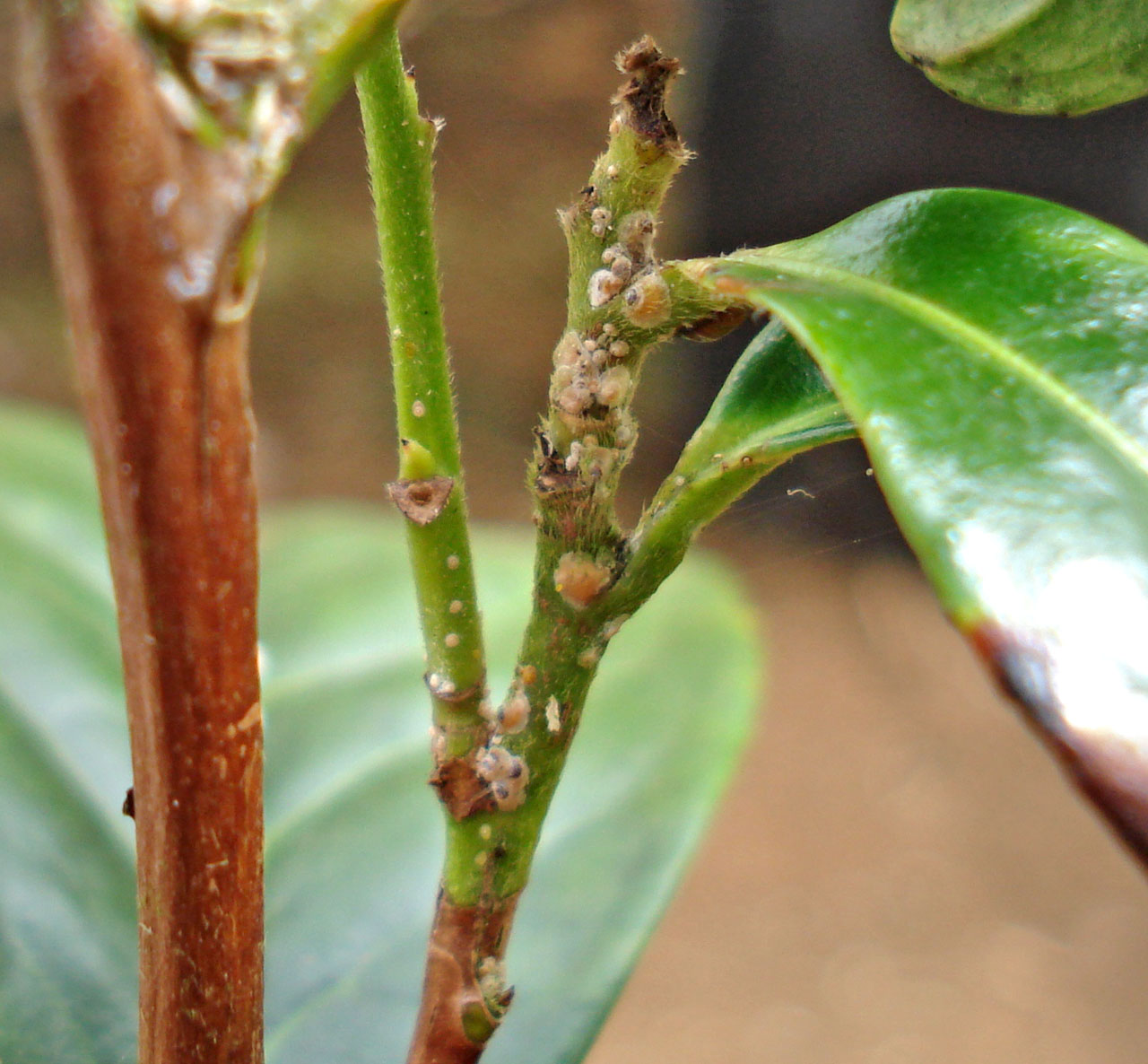
I took some pictures today and wrote descriptions of what’s been afflicting many of our young tea plants in the greenhouse. Taking macro shots with a 7 Mpixel camera gave big, scary looking images of something horrible attacking my plants. The pictures are now in the tea notes (scroll to bottom of page) and here are two of them:

Major Yacon Planting

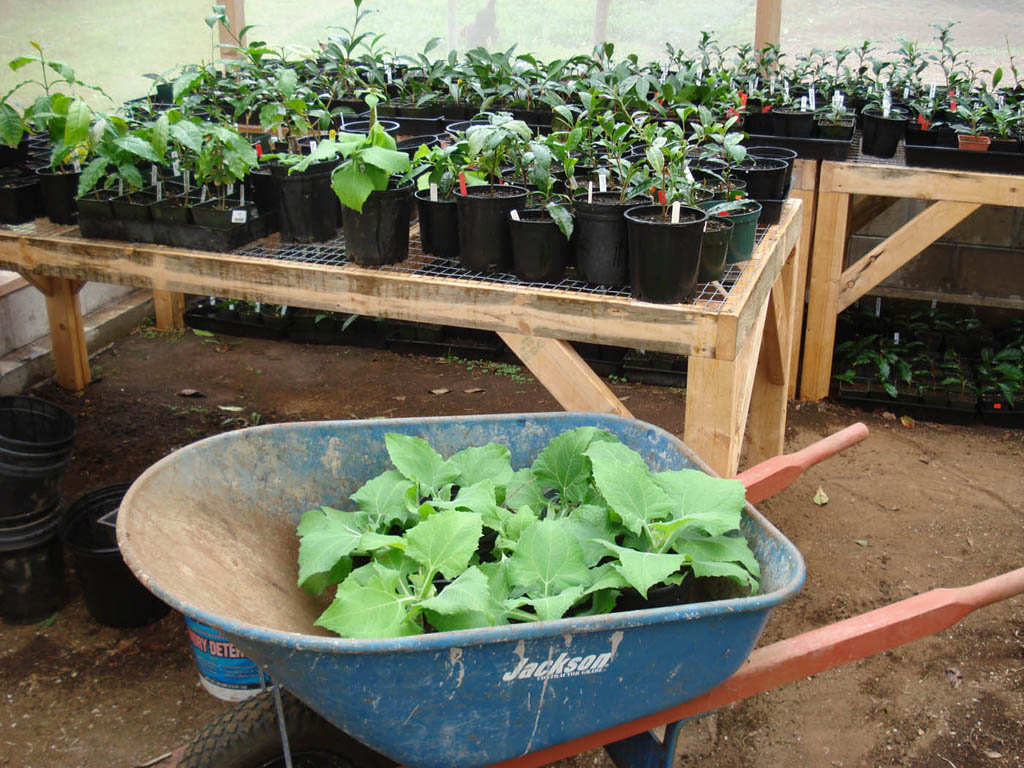
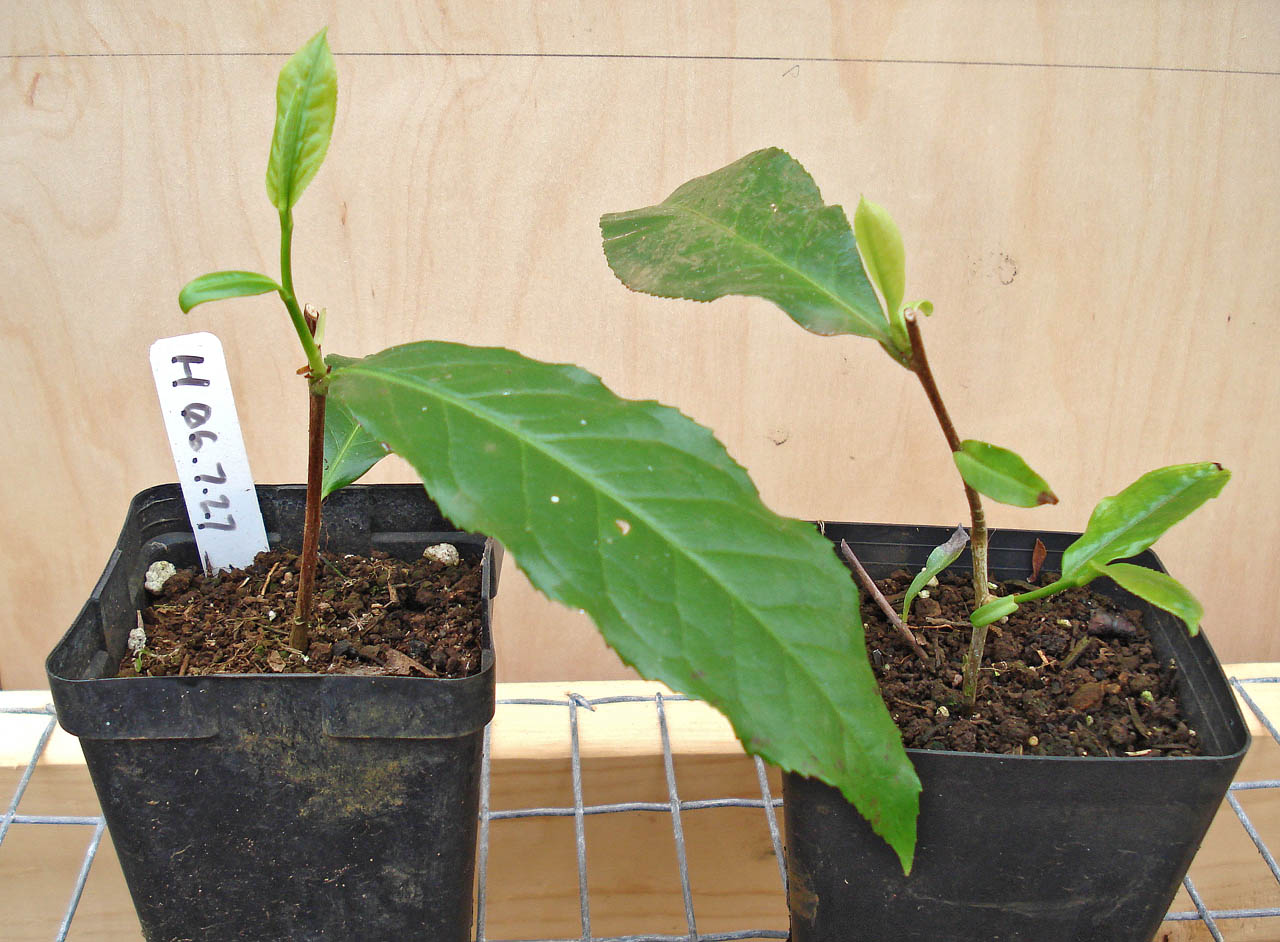
There isn’t much happening with our tea right now. The baby tea plants haven’t grown a bit in the past 2 months, they seem to be on strike for “winter”. So, i’m spending more time on yacon, which seems to happily grow at any time. Here’s the young yacon plants (big light-green leaves) in the greenhouse next to young coffee and tea:

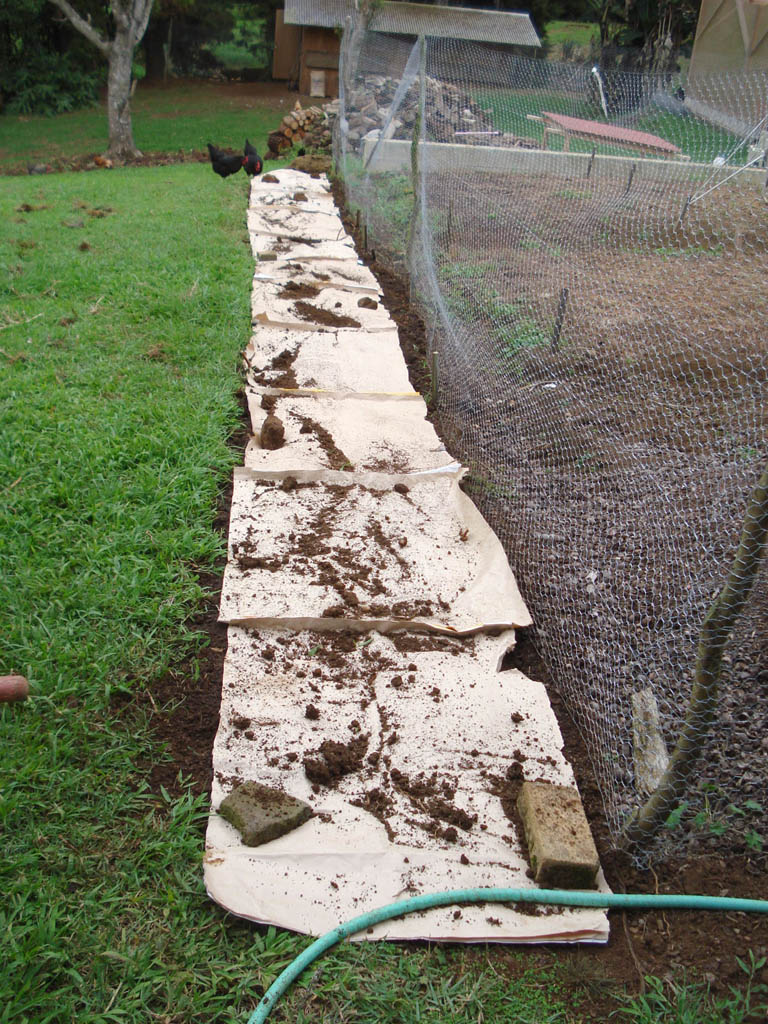
The plan was to put them along the (northern) outside edge of the lower garden. There is no danger of the chickens eating them (i already confirmed that chickens don’t like yacon leaves) but there is a danger the chickens will dig up all the loose dirt around the plants. So, i came up with the idea to stitch (actually, staple) a whole bunch of the used 3-ply paper chicken feed sacks together to make a ground cover, then plant the yacon through holes in the ground cover:

It worked great! So, that’s 10 new yacon in the ground, very exciting!

The Ookala Tea Tree

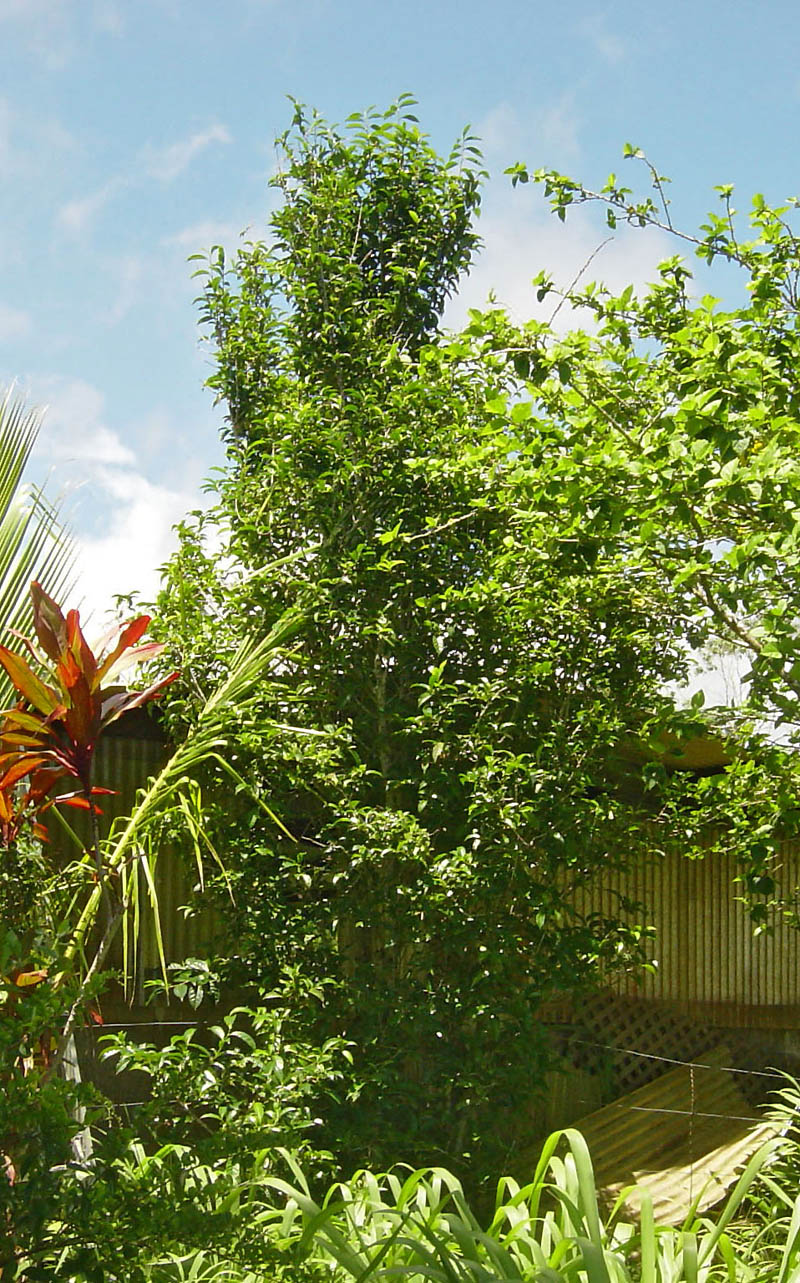
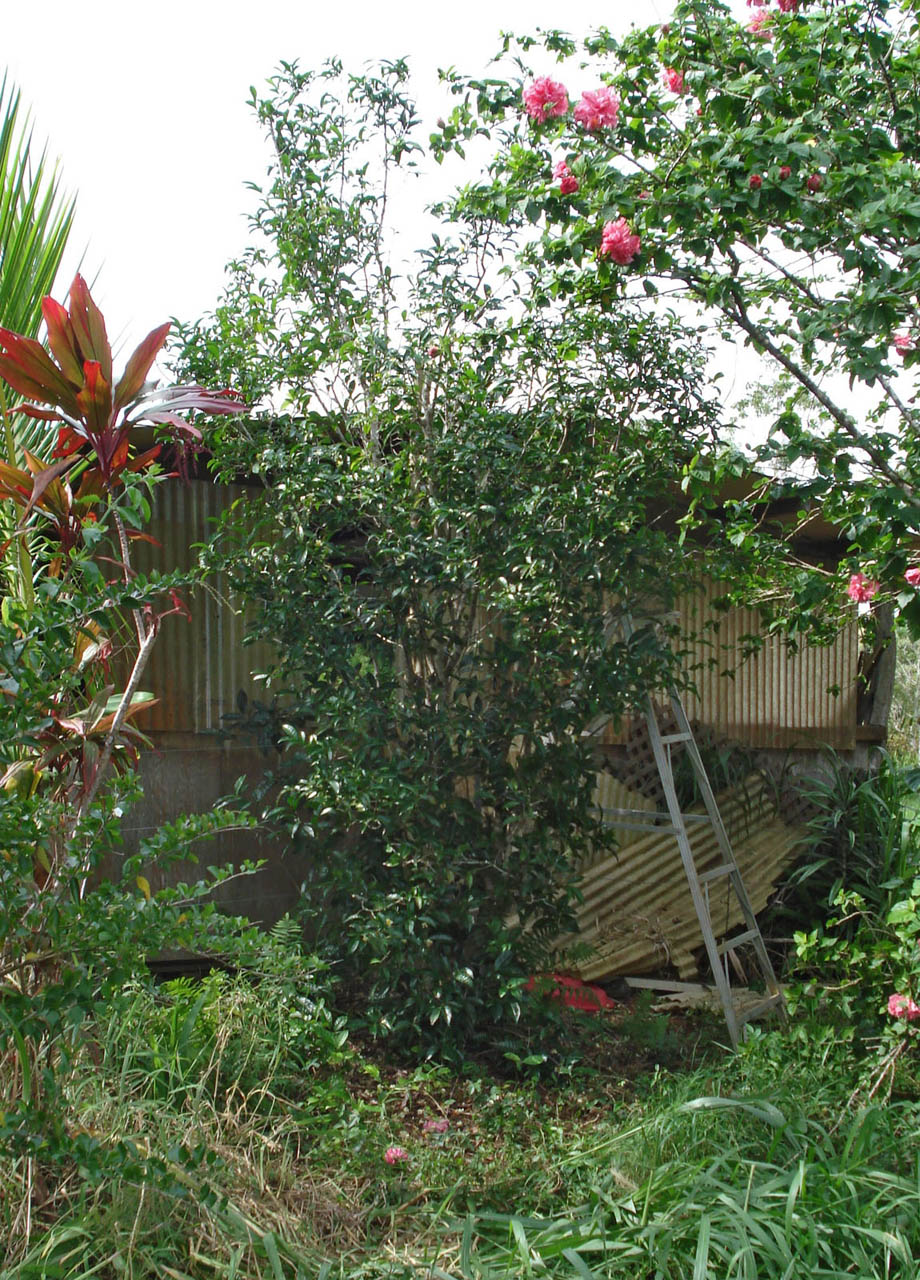
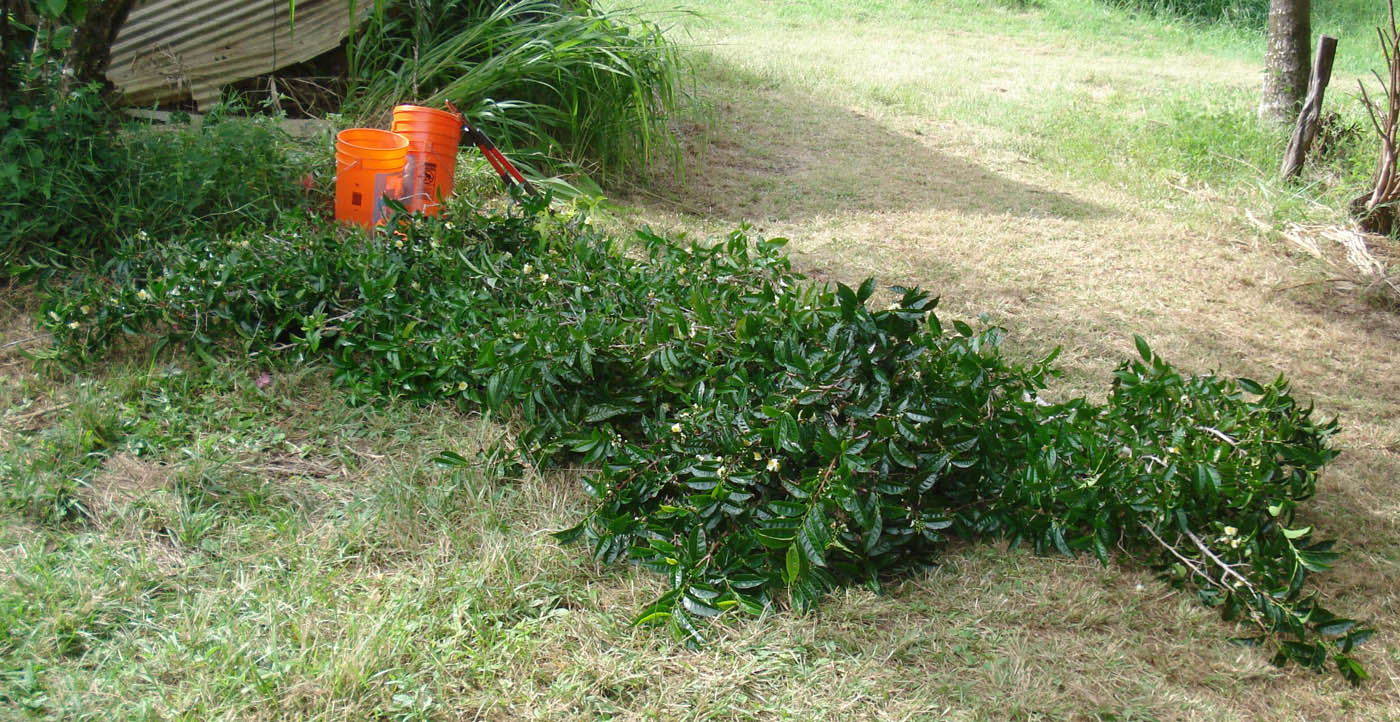
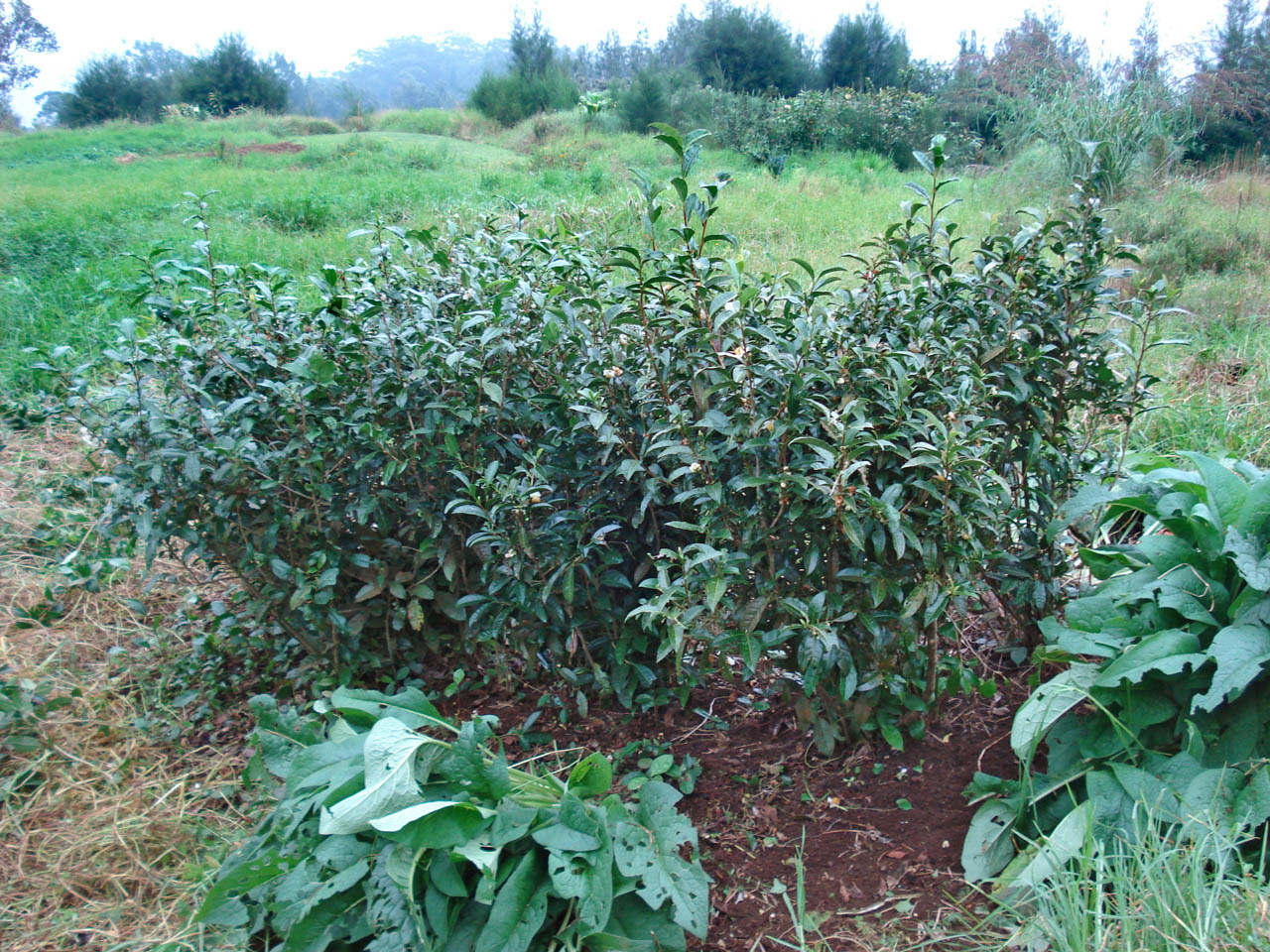
Today Jim and i made a trip to our friend’s land in Ookala. While Jim tended the banana patch, i tended to the big old tea plant there. It is probably 30 years old, and easily 6-7m tall. On a previous trip, i used a ladder to take a little material home to propagate, which did not do so well as the branches are quite tough. This time, i brought heavy loppers and pruned off major branches. Here is a picture from August showing the full-sized tree, and a picture today after the pruning:

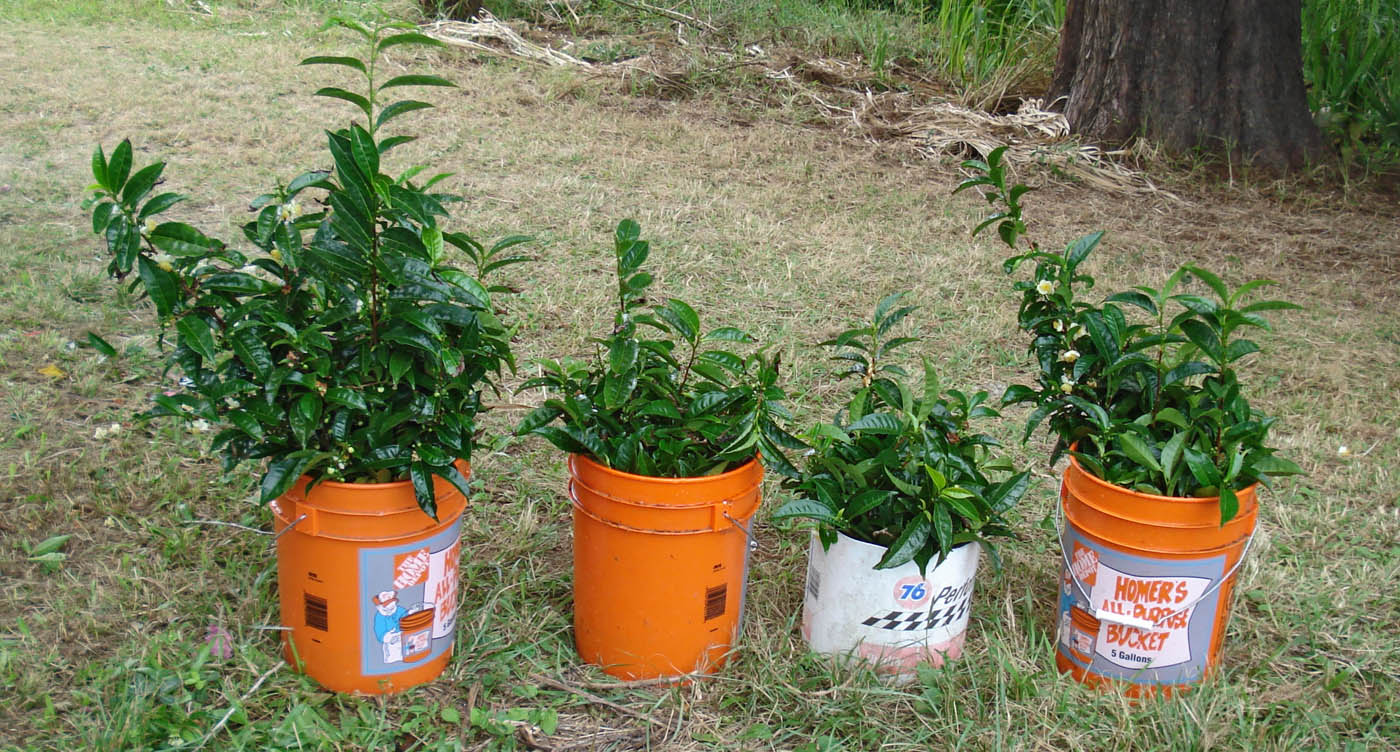
The branches i lopped off, and the resulting material for propagation:

Deb and i spent this afternoon making 100 cuttings (so far). Once again, it will be five years until we learn whether this is good tasting tea or not. At least it’s already known to grown vigorously!

First tea plants in the ground!

Thursday was my 36th birthday. Friday, we invited over friends and neighbors for a celebratory tea planting, putting 8 Bohea in the ground on the driveway terrace. I made a big batch of lemon-lime tea from our citrus trees.

It was fun! We dug holes in the clay soil, added fine black cinder for drainage, 6-6-6 organic fertilizer, a little aged chicken manure, some slow-release trace minerals, and lots of my home-made compost. By blending in the original clay (which is fairly acidic, but poor in nutrients) i’m hoping the resulting mix is acidic enough for the tea plants, which actually like their pH as low as 4.5. We learned a whole lot about our soils in our farm class – we have highly weathered volcanic allophane soil with tremendous surface area, high CEC, low in many leachable minerals such as calcium, capable of absorbing and holding a great deal of good stuff. And we’ve got the Indian textbook by Ghosh on how tea is grown in several subtropical parts of the world, and advice from CTAHR. But it remains a guess what tea will need to thrive and produce high quality in Hawaiian soils, because nobody has done it yet! To make it even more complex, we’re sticking to certifiable organic methods, unlike the State Ag researchers who are getting fast growth by pumping the fields with high levels of chemically-produced nitrogen.

Pictures L to R: Deb and me measuring out 2′ spacing, our neighbor’s daughter Kôlea sprinkling ‘blessed’ water on the baby plants, Deb and me posing with tea, and a group picture around the completed planting.

More mystery tea bushes

Our neighbor Peter of Star of Roses Organic Farm told me he had some tea plants, and sure enough, there they were – a bunch of vigorous bushes growing so wild and bushy that it was difficult to distinguish them. There were lots of baby plants on the ground as well, sprouting from seeds. After some clearing away the grass, here is how it looked:

I drew a chart of the 7 main bushes, and pruned the two largest (#2 and #4) down. I took the branches home and managed to start 25 cuttings from #2, 72 from #4. Maybe in 5 years we’ll find out if they’re good.

Propagating a mystery tea bush

On our island, there is a shortage of tea plants. The Tea Society has only been able to find a very small number of baby plants (mired in controversy, but that’s another story..) so we tea growers are faced with a dilemma. Just wait for known cultivars to become available, slowly building up plants over years? Or also propagate everything we can find, even if it is random seeds, or plants from people’s yards that are totally unknown? When dealing with unknown tea, it might be great, it might be lousy, but it will take a few years for the plants to get big enough to taste and find out.

Last year, i asked around the neighborhood, and our immediate neighbor Theresa Lee said she had some tea bushes. She pointed out into her yard, and i saw only tall grass… finally staring, i could see some tea there. Since then, i have come by occasionally to clear and mulch the three tea plants:

They are each very different. I have named them L1, L2, and L3. L2 is very beautiful, small vivid green leaves with strongly serrated edges. L3 is growing the most vigorously, with many wild branches needing a pruning. So today, i cut L3’s tallest branches and made 47 cuttings:

Now there is just the years of tending and waiting to find out if it makes good tea!

First successful cuttings!

Here they are. I know it may not look like much, but this is the very first time that cuttings i’ve made have unmistakably rooted and grown new leaves:

These two are from the batch of 30 cuttings i gathered in July from an old abandoned Japanese homestead nearby. The source plants were spindly, up to 3-4m tall, growing very slowly in the shade of cathedral-sized bamboo canopy. I’m guessing that these tea plants were planted long ago (perhaps early 20th century) by first-generation Japanese, so they might in fact be a ‘good’ cultivar. At the very least, theyve proven themselves to survive decades of neglect in our soil and climate here.

Of the 433 cuttings i have made so far from 4 different sources, around 80% are still going (meaning, they have not yet turned brown and died, nor have they put out new leaves.) The bulk of these cuttings are from ‘unknown’ plants, so they would not interest the tea purist, but perhaps some day (years from now..) they will turn out great.

40 Benikaori, 4 Bohea, 2 Yabukita

On Saturday we went to Hilo and picked up another batch of USDA cuttings.  This time it was mostly Benikaori, which is something of an odd cultivar to grow in Hawai’i, as described in my previous post Benikaori cuttings.  In any case, i’m happy to try growing them, and maybe they’ll make some really good black tea someday.

Meanwhile, i’ve been re-potting a lot of my older Yabukita plants from small to medium pots.  The batch of Yabus from September is really taking off!  It’s nice to see something beside Bohea growing well.

40 Yabukita, 8 Chin Shin Oolong

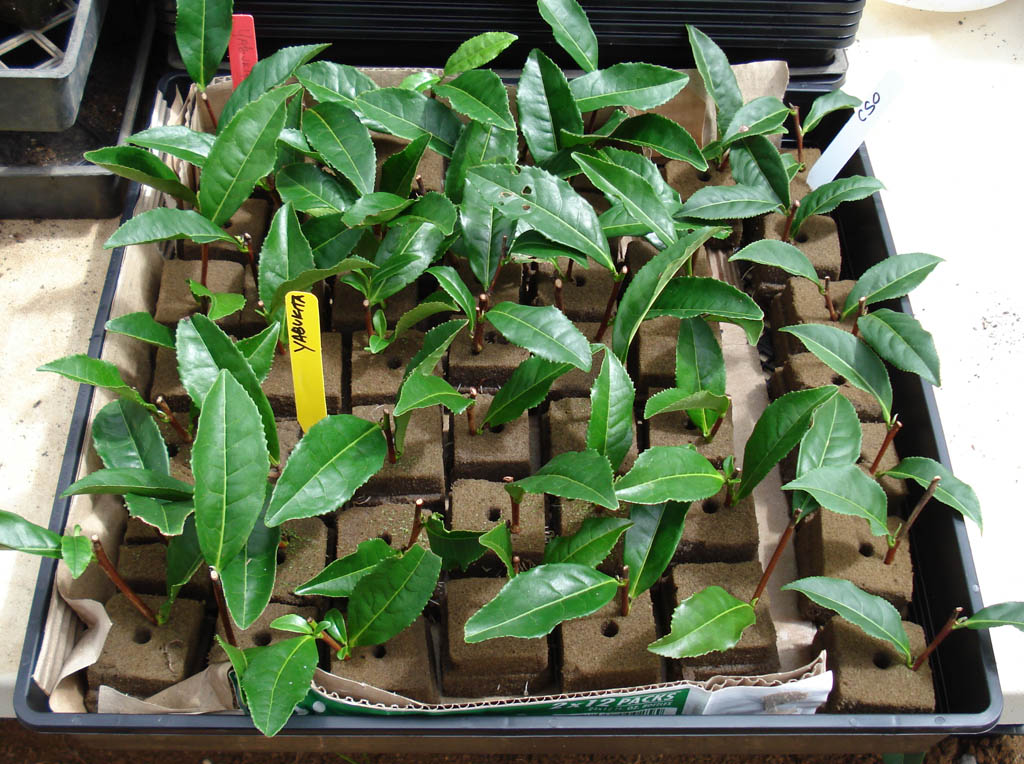
Jim went to Hilo this morning and picked up another batch of rooted tea cuttings, from the USDA, rooted by Aileen Yeh. Look how pretty they are! So green and strong and healthy. Aileen does great nursery work.Yabukita and Chin Shin Oolong rooted cuttings The ones on the left are CSO, which are a special kind from Taiwan which is more difficult to grow but makes an Oolong with a good reputation. You can see the leaves are smaller, less shiny, and more bluish:

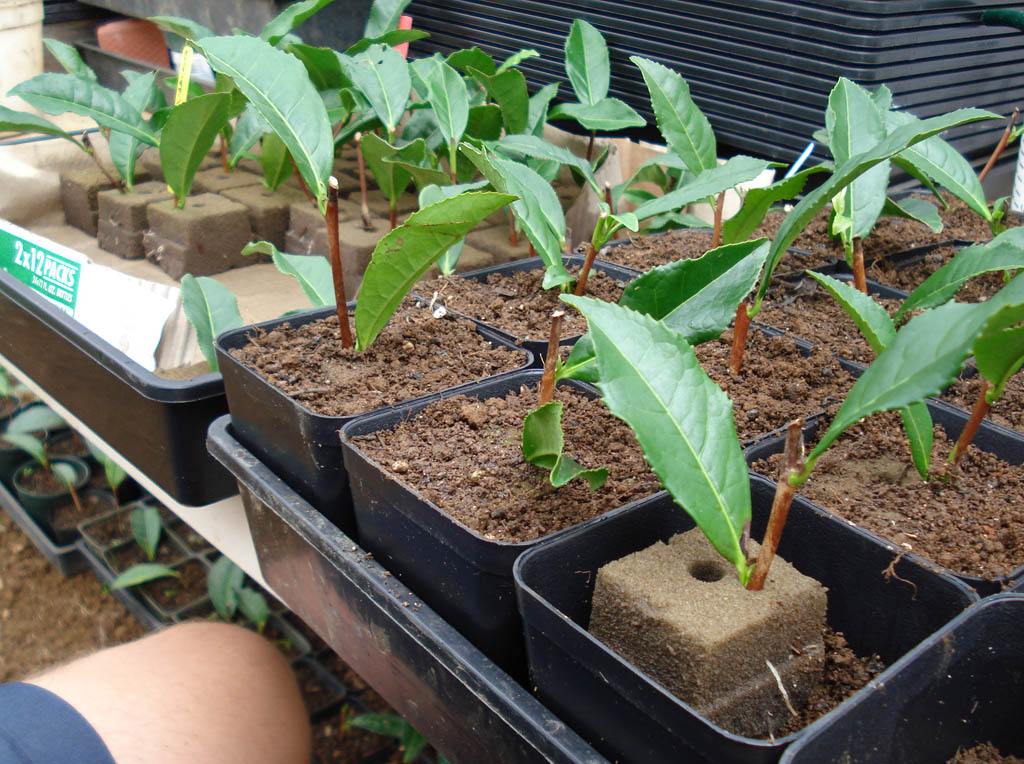
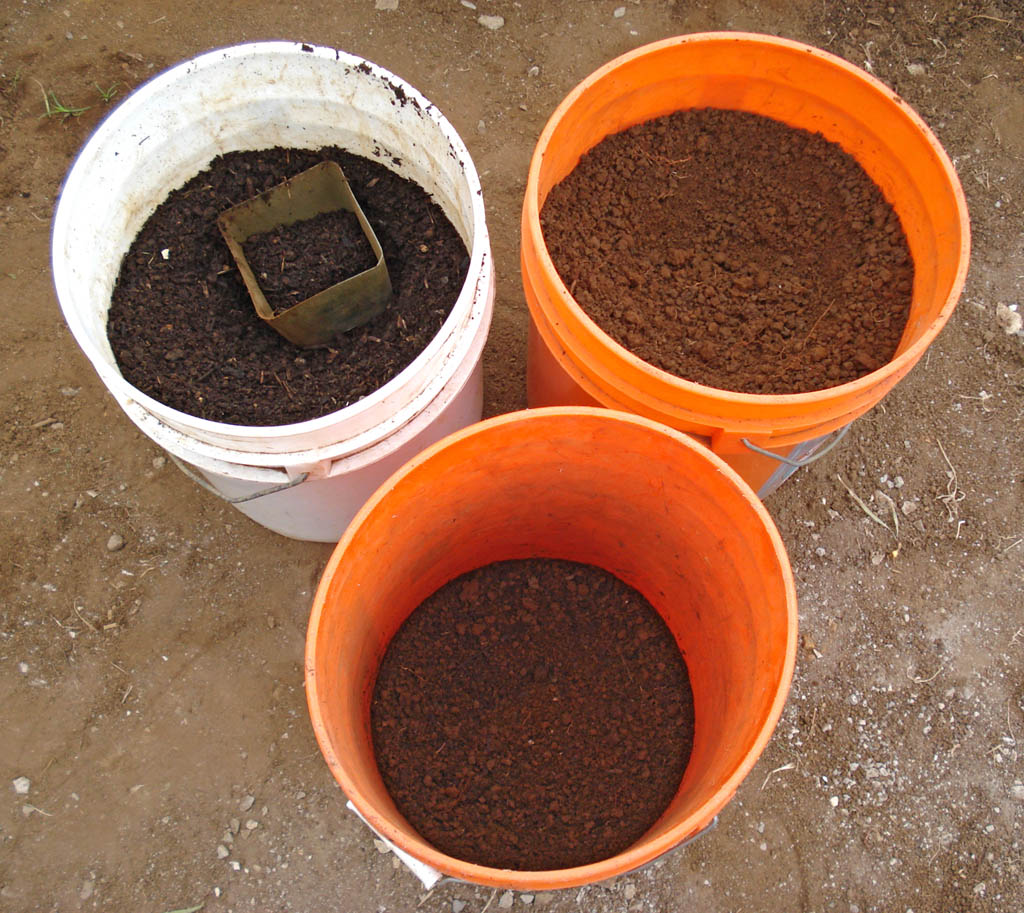
They are delivered in little sponge cubes. There is a lot of different (conflicting) information about what potting soil to use for tea. The Indian textbook (Tea Cultivation : Comprehensive Treatise) says to use the “clean subsoil” of the site they will be eventually planted. The nursery professionals say to use normal commercial potting mix. Other people caution against using rich soil, apparently the little plants do better if they have to work harder! Here in Ahualoa we have acidic soil (which supposedly the tea likes) with very little nutrients. I just can’t see using this soil directly, so i mix it with some of our rich dark home-made compost. I used to mix 1:1, now i mix 1:2 compost:soil. The buckets have, top left: our compost, top right: our local redish acidic clay soil, bottom: the mix.